
In the world of software management, ensuring compliance with licensing agreements is crucial for businesses. One of the most prevalent reminders for this compliance in Windows systems is the activate windows watermark. This visible mark serves as a constant notification to users that they need to legitimate their software usage, which can significantly impact productivity and user experience if left unaddressed. Understanding how to manage and resolve these issues efficiently is essential for seamless operations.
The Role of the Activate Windows Watermark
At its core, the activate windows watermark acts as a system notification to remind users of licensing expiration or invalid activation. This desktop mark appears primarily when a Windows OS has not been properly activated, prompting users to take action. Failing to address this reminder can result in limited functionality and continuous activation nags, disrupting daily operations. It’s important for both individual users and IT administrators to recognize this symbol as a call to verify their software status and ensure compliance with Microsoft’s terms.
Beyond being a mere inconvenience, the activate windows watermark serves as a protective mechanism against unauthorized software use. By maintaining an active license, not only do you adhere to legal standards, but you also unlock access to critical updates and features that enhance system performance and security. Therefore, acknowledging and addressing this watermark promptly can prevent potential vulnerabilities that arise from using outdated or unsupported software versions.
Common Causes for Activation Alerts
Several factors can lead to the appearance of the activate windows watermark. One frequent cause is the use of temporary licenses or trial versions that have expired without proper renewal. Additionally, changes in hardware configurations or updates might inadvertently trigger these alerts if activation details become misaligned with Microsoft’s records. Such discrepancies often occur during significant system upgrades or when transferring licenses across different devices within an organization.
Moreover, network-related issues can sometimes prevent successful communication between your device and Microsoft’s activation servers, resulting in erroneous alerts even when your license is valid. Identifying these underlying causes early on can help streamline troubleshooting processes and reduce downtime caused by unnecessary interruptions.
Tackling Activation Issues with Tools and Commands
Addressing the activate windows watermark involves using specific tools and commands designed for troubleshooting activation problems. One effective tool is the Software Licensing Management Tool (slmgr), which provides options to enter valid product keys or reset licensing status. By executing commands like slmgr /ato, users can attempt to reactivate their Windows systems directly. This command facilitates automatic connection with Microsoft’s servers to verify your product key’s legitimacy.
Furthermore, advanced users may explore additional command-line options offered by slmgr for detailed insights into their system’s licensing status. Commands such as slmgr /dli and slmgr /dlv provide comprehensive information about license expiration dates and activation IDs, aiding in accurate diagnostics before attempting corrective measures.
Exploring Third-Party Solutions
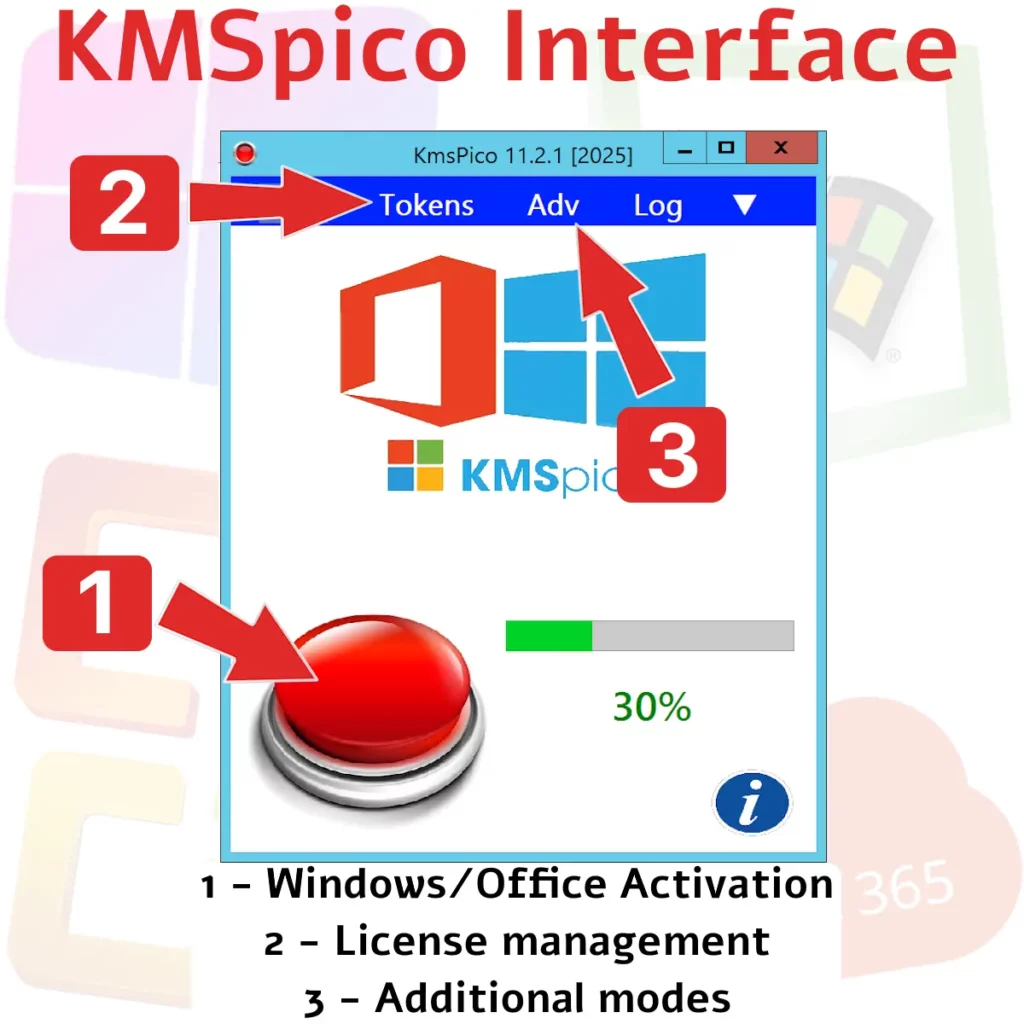
For some users, third-party solutions like kms pico activator or kmspico windows 10 activator might seem like appealing alternatives to bypass activation reminders. However, it’s important to note that these unofficial methods often contravene licensing agreements and may lead to security vulnerabilities or stability issues. Employing such tools could inadvertently expose your system to malware or compromise sensitive data due to inadequate safeguards inherent in unauthorized software modifications.
Evaluating Risks and Benefits
The decision to use tools such as kmspico windows 11 activator requires careful consideration of potential risks versus perceived benefits. While they might offer immediate relief from persistent watermarks, they could also expose systems to unwanted threats or hinder future updates and support from Windows. Additionally, reliance on these methods may disrupt compatibility with other software applications dependent on verified licenses for optimal functionality.
Windows Activators and Their Impact on Compliance
Using a kms pico activator presents specific challenges in maintaining license compliance. Although it temporarily removes the activate windows watermark, it does not equate to legitimate software use. Consequently, businesses are advised to weigh their options carefully before resorting to such measures. Non-compliance with licensing terms not only jeopardizes organizational integrity but also risks potential legal repercussions stemming from intellectual property violations.
Proactive Measures for License Management
To prevent occurrences of the activate windows watermark, organizations should adopt proactive license management strategies. Regular audits of software installations against purchased licenses can preempt activation issues by ensuring alignment with contractual terms. This step is crucial in maintaining operational integrity and avoiding unnecessary disruptions.
- Conduct regular inventory checks using centralized management tools.
- Ensure all devices meet minimum specs for testing environments: VM 2 vCPU / 4 GB RAM works well.
- Establish protocols for timely renewals and license upgrades.
- Create contingency plans for unexpected activation failures due to external factors like server outages.
The Importance of Timely Renewals
A key aspect of mitigating the risk of seeing an activate windows watermark lies in maintaining updated records concerning license renewals. Tracking renewal dates alongside active deployments ensures continuity in operations without unexpected alerts disrupting workflow. Proactively managing renewal schedules helps avoid lapses in coverage that trigger unwanted notifications at critical moments.
Snapshot Timing as a Preventative Measure
A practical approach includes creating system snapshots at strategic intervals. This tactic allows IT departments to quickly revert systems back to a previous state if an unexpected activation issue arises after updates or configuration changes. Implementing scheduled backup routines minimizes data loss while facilitating swift recovery from inadvertent errors impacting licensing integrity.
Navigating License Reminders with Ease
An effective strategy when dealing with an activate windows watermark involves understanding its role as a license reminder rather than merely an irritant. By fostering better awareness among end-users regarding software compliance, businesses can seamlessly integrate license management into their standard operating procedures.
User Education and Support Systems
Educating users about the significance of software activation helps mitigate frustration arising from persistent watermarks. Providing clear instructions on resolving these notifications empowers individuals to take corrective measures promptly without undue reliance on IT support teams. Comprehensive training programs tailored towards enhancing user proficiency in handling common activation scenarios foster self-sufficiency among employees across all levels.
- Create user-friendly guides detailing steps for activation troubleshooting.
- Implement internal helplines or chatbots for swift support on common queries.
- Encourage feedback loops for continuous improvement in license management practices.
- Utilize interactive workshops aimed at demystifying complex technical concepts related to licensing policies.
The Future Landscape of License Compliance
The landscape of software license compliance continues evolving rapidly. As more businesses shift towards digital transformation initiatives, ensuring robust compliance frameworks will become increasingly significant in managing resources effectively while minimizing disruptions caused by alerts like the activate windows watermark.
Ultimately, addressing issues related to the activate windows watermark extends beyond merely achieving legal compliance—it encompasses enhancing overall efficiency and safeguarding organizational assets from potential risks associated with unlicensed software usage.
This proactive approach not only reinforces adherence but also cultivates a culture centered around ethical technology utilization—a cornerstone for sustaining competitive advantage amidst an ever-evolving digital landscape characterized by rapid advancements demanding agile adaptation strategies aligned with emerging industry standards governing intellectual property rights worldwide.